Bellflower Root Products: A Label and Symptom Checklist Before You Buy Again
A bag of doraji for cooking, a sweetened bellflower syrup and a concentrated herbal pouch serve different purposes. If one product leaves you uncomfortable, its name alone does not tell you why. Before buying another product, record exactly what you used and check the label.
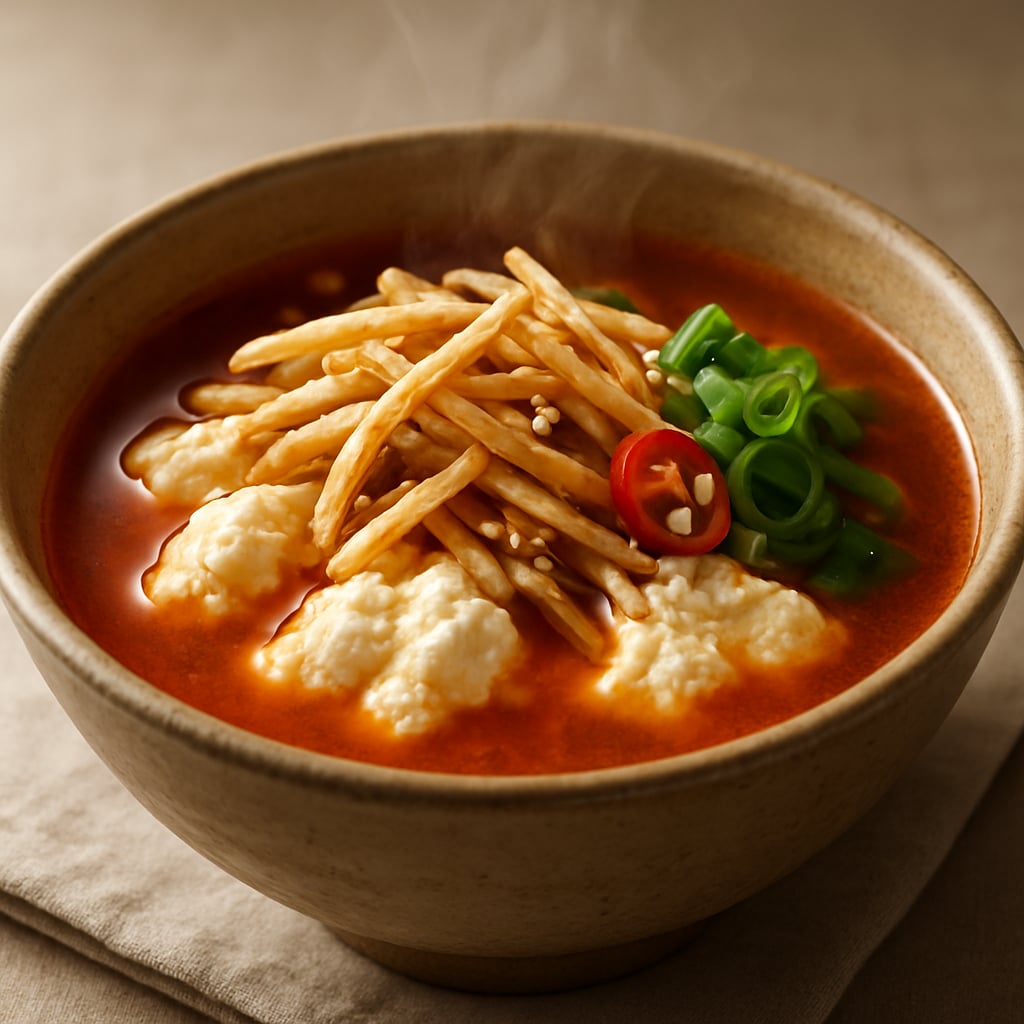
First identify the product
- Fresh or dried root: intended preparation, whether it needs peeling or rehydration, and cooking instructions.
- Syrup or paste: all ingredients, serving size, sugars, dilution instructions and storage after opening.
- Extract or mixed herbal drink: names of every added herb, amount per serving where given, recommended use and warnings.
Do not replace one form with the same weight or spoonfuls of another. A spoonful of syrup includes ingredients other than root, and a concentrated extract is not equivalent to the vegetable served as banchan. “Natural” on the label does not answer questions about concentration or personal tolerance.
A useful record of discomfort
Write down the following details instead of assigning yourself a “cold stomach” constitution from a symptom score:
- Product name, ingredient list and a photograph of the packaging.
- Amount eaten or drunk, including the amount of water used for dilution.
- Time consumed and what else you ate around that time.
- What you noticed, when it began, how long it lasted and whether it happened before.
- Medicines and other supplements to discuss with a pharmacist or clinician.
A note might say: “Half the labelled serving after lunch; discomfort began about 30 minutes later.” That is an observation. “The herb blocked my circulation” is an explanation the note cannot establish. Do not deliberately repeat a product that caused a concerning reaction just to test a theory.
What the old checklist got wrong
The previous article claimed that two positive answers diagnosed a digestive imbalance and recommended ginger, jujube and tangerine peel to neutralize it. We did not establish evidence for that diagnostic rule or treatment formula. Those instructions have been removed. Being in your fifties or sixties, preferring warm water or having a coated tongue does not by itself identify the cause of abdominal pain.
Food choices while you seek an explanation
There is no need to replace an uncomfortable product with a more complicated herbal mixture. Use foods and drinks you already tolerate and follow any existing dietary instructions from your clinician. If you want to learn how the root is prepared as food, read our doraji side-dish preparation guide. It explains cutting, cooking and seasoning; it does not promise that cooking will prevent every reaction.
When comparing two packaged products, place their serving sizes next to each other before comparing sugar or ingredient amounts. A larger serving can look more concentrated simply because more product is counted. Keep the packaging until any question about the product has been resolved.
When food adjustments are not enough
Abdominal pain that keeps returning, worsens or accompanies unexplained weight loss should be assessed by a clinician. Sudden severe pain, vomiting blood or black sticky stools warrant urgent medical care. Do not use a fixed 48-hour waiting period for severe symptoms. NHS stomach-ache guidance explains these distinctions.
한국어 안내: 찬물을 마신 뒤 배가 아플 때 확인할 내용.
Updated October 13, 2026 · YM-LAB Wellness Food. This checklist organizes product information; it does not diagnose a condition or prescribe an herbal formula.

Comments
Post a Comment