Cooking Bellflower Root: Preparing Doraji for a Mild Korean Side Dish
Doraji, or bellflower root, is used in Korean vegetable side dishes. Its firm texture and bitterness make preparation especially important. This guide focuses on choosing the right form, cutting even strips and adjusting seasoning, rather than treating a root dish as a remedy for digestive symptoms.
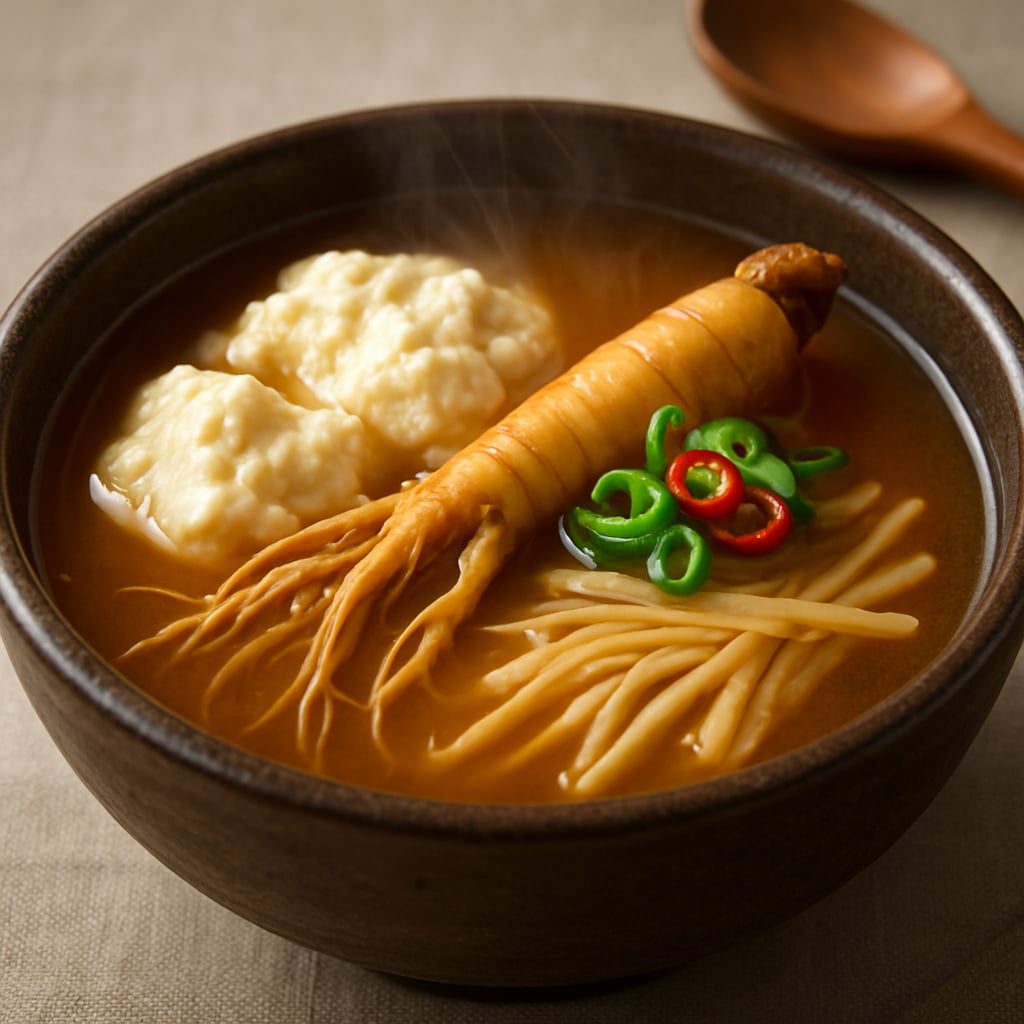
Start with the form you bought
Fresh peeled roots, dried roots and bottled extracts are different products. This cooking example uses peeled food-grade roots. Rehydrate dried roots according to their package before deciding how much to use; their dry weight is not interchangeable with fresh weight. A syrup or extract cannot replace root strips in a vegetable side dish. Buy identified food ingredients rather than collecting unfamiliar wild roots.
A small side-dish batch
- 150g peeled bellflower root, cut into even thin strips
- 1 teaspoon neutral cooking oil
- 2–4 tablespoons water, with more available if the pan dries
- ½ teaspoon soy sauce to start, adjusted after tasting
- 1 tablespoon finely sliced spring onion
- A few drops of toasted sesame oil, optional
This is an editorial preparation example, not a kitchen-tested standard recipe. The amount serves as a small shared side dish; portion size depends on the rest of the meal. Check soy and sesame allergens and choose alternatives you can safely eat.
Prepare, rinse and cook
- Inspect and clean. Follow the package instructions. Discard roots that are moldy or spoiled. Separate thick pieces lengthwise so the strips cook at a similar rate.
- Adjust bitterness. A brief salt rub followed by thorough rinsing is a common preparation approach in doraji recipes. Follow a reliable recipe for the product you bought; do not interpret rinsing or soaking as removal of all active compounds or a guarantee against an adverse reaction.
- Cook gently. Warm the oil in a pan over medium-low heat, add drained strips and stir. Add a little water, cover briefly, and check the texture as the roots soften. Add water in small amounts if they begin sticking.
- Check a piece. Use tenderness, not an exact timer, as the endpoint. Thick or older roots take longer. For easier chewing, cut the cooked strips shorter.
- Season last. Stir in the soy sauce and spring onion. Taste a cooled spoonful before adding more seasoning. Finish with optional sesame oil off the heat.
What to change next time
Too bitter: review the product preparation instructions and try a smaller side-dish portion, rather than covering the flavor with large amounts of sugar. Too chewy: cut thinner and allow more covered cooking with water. Too salty: reduce the soy sauce next time and check that any salt used during preparation was rinsed away. Too oily: measure the oil and use water to prevent sticking instead of repeatedly adding oil.
Place it on the Korean table
Serve as one banchan alongside rice and a protein dish, rather than as the entire meal. The useful contrast is a little bitter root against plainer rice and softer foods. Someone unfamiliar with doraji can try a small amount of the cooked dish; no one needs to keep eating a food that causes discomfort.
For culinary background and a separate, fully specified traditional-style recipe, see Korean Bapsang: Doraji Namul. The batch above is our own adjustable example and is not that author's tested recipe.
Symptoms are not a constitution test
The earlier article used cold-water reactions, tongue appearance and a symptom count to infer poor circulation and delayed digestion. Those diagnostic claims were unsupported and have been removed. Adding ginger or jujube does not establish that an otherwise troublesome food is safe for a particular person. For recurrent or worsening abdominal pain, seek medical advice; sudden severe pain or vomiting blood needs urgent care. See NHS guidance on stomach ache.
Leftovers
Refrigerate promptly in a clean, shallow container. Do not leave the dish out for more than two hours, or one hour in temperatures above 32°C/90°F, following FoodSafety.gov guidance. Neither serving warm nor reheating makes poorly stored food safe.
Updated October 13, 2026 · YM-LAB Wellness Food. Revised to separate cooking choices from unverified treatment claims.

Comments
Post a Comment