Autumn Chicken and Radish Soup: A Small-Pot Cooking Guide
A small pot of chicken and radish soup can be built from ordinary cooking ingredients: chicken, sliced radish, garlic, ginger and spring onion. This version keeps the seasoning separate until the end so each bowl can be adjusted. It is a home-cooking example, not an immune treatment or a traditional medicinal prescription.
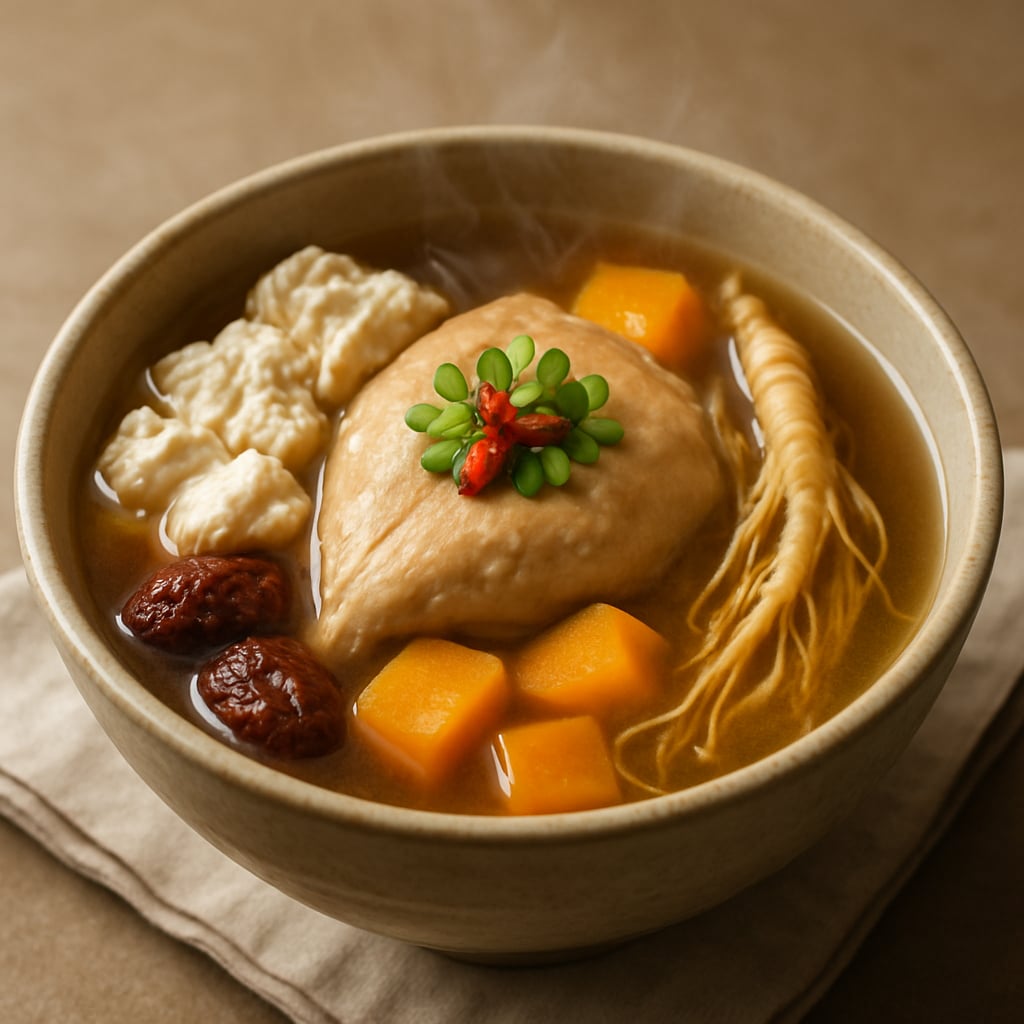
Ingredients for two adjustable servings
- 300g boneless chicken thigh, cut into evenly sized pieces
- 200g Korean radish, peeled as needed and sliced about 5mm thick
- 800mL water, plus more if needed
- 2 garlic cloves, lightly crushed
- 2 thin ginger slices, optional
- 1 spring onion, sliced
- 1 teaspoon soup soy sauce to start, adjusted at the table
- Cooked rice and a vegetable side dish to serve
The quantities are an editorial starting point, not a kitchen-tested yield or a prescribed meal plan. A whole chicken, bone-in cuts and boneless pieces need different cooking times; do not exchange them while keeping an unchanged timer.
Prepare safely before heating the pot
Prepare vegetables on a clean board before handling raw chicken, or use separate boards. Raw chicken does not need rinsing: splashing can spread contamination. Wash hands and clean utensils and surfaces after contact with raw meat. Keep ready-to-eat garnishes away from raw juices. These practices follow CDC chicken-handling guidance.
Cook in stages
- Start the soup. Put the water, chicken, garlic and optional ginger in a pot with enough room to stir without spilling. Bring to a boil and reduce to a steady simmer.
- Add the radish. Add the even slices and continue cooking. Start checking after about 15 minutes, but treat this only as a first check: pan size, heat and chicken size change the time needed.
- Check both ingredients. Radish should be tender when pierced. Use a food thermometer to check that chicken reaches 74°C/165°F in the thickest part. Neither clear broth nor white-looking meat establishes safe temperature.
- Adjust the liquid. Add water if the soup has reduced more than intended and return it to a simmer. Remove the ginger slices if you prefer a milder aroma.
- Finish. Add spring onion, then begin with the measured soy sauce. Taste a small cooled spoonful before adding more. Serve rice separately if you want to control how much broth it absorbs.
Make the second batch better
Radish still firm: keep simmering and cut thinner next time. Chicken dry: verify its temperature and avoid keeping already cooked small pieces boiling unnecessarily. Soup too concentrated: dilute before seasoning. Too much garlic or ginger: reduce the aromatic ingredients next time instead of adding sweetness to cover them.
For a meat-free meal, use a separate tofu-and-mushroom preparation, such as our Korean-language radish, shiitake and tofu soup guide. Replacing meat changes the dish and the cooking process; it is not simply the same recipe with a shorter timer.
Store the portion you will not eat promptly
Divide leftovers into shallow containers and refrigerate promptly rather than leaving a large pot out to cool for hours. Reheat leftovers to 74°C/165°F. FoodSafety.gov lists the minimum temperatures for poultry and reheated leftovers. Keep portions separate so you only reheat what you need.
Why this version uses ordinary cooking ingredients
The earlier article added medicinal roots and claimed immune, inflammatory and metabolic benefits without identifiable supporting studies. Those claims and herbal additions have been removed. Garlic and ginger are included here for flavor. More herbs do not automatically make a soup more suitable for everyone, especially when people take medicines or have dietary restrictions.
Updated October 13, 2026 · YM-LAB Wellness Food. Quantities are an adjustable cooking example; the original URL is retained.

Comments
Post a Comment