Rice and Kimchi on the Korean Table: Flavour, Fermentation and a Complete Meal
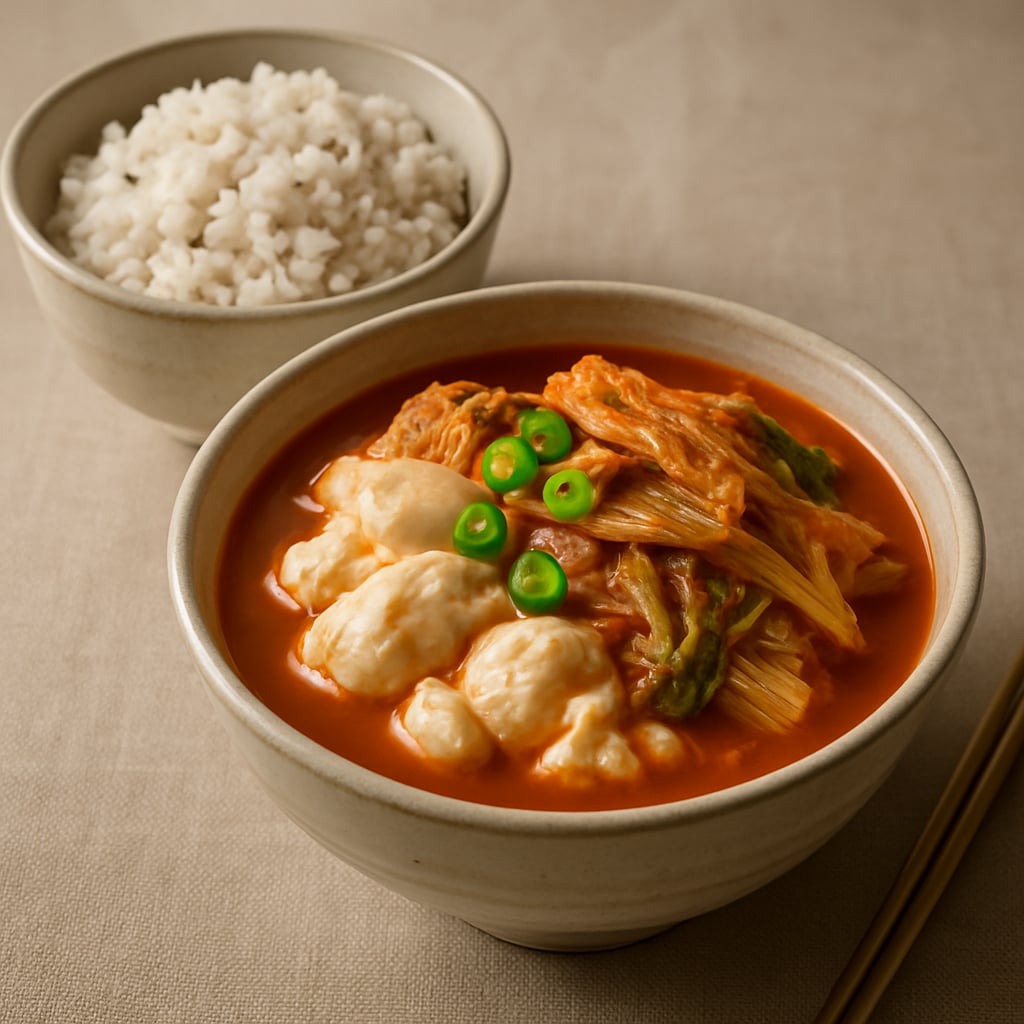
Plain rice and tangy kimchi create a useful contrast: one is warm and mild, the other crisp, acidic and seasoned. Understanding that contrast helps a home cook choose the rest of the meal without adding several competing sauces.
Kimjang is shared food knowledge
UNESCO's description of kimjang, inscribed in 2013, highlights the making and sharing of kimchi and the transmission of knowledge within communities. This cultural history is valuable in its own right. It does not establish that any particular rice-and-kimchi combination treats a digestive condition.
Build the meal around contrast
Start with the rice you normally cook. White rice, a white-and-brown rice blend or barley rice all give different textures; follow the grain package or rice cooker's water directions. A new grain blend need not begin at a fixed percentage. Cook a small batch first and adjust after tasting.
Add a protein dish such as pan-cooked tofu, a fully cooked egg or fish, and a mild cooked vegetable such as zucchini or spinach. Serve kimchi as a side so each diner can choose an amount. Rice and kimchi alone need not carry the entire meal.
A quick tofu and kimchi plate
For one adjustable meal, prepare a serving of cooked rice, about 100–150 g firm tofu, a portion of cooked vegetables and a small side of kimchi. Drain the tofu, pat its surface dry and cut into even slices. Warm a teaspoon of oil in a pan and cook the slices on both sides until lightly coloured and hot through. Serve the kimchi alongside instead of adding its brine to the tofu pan.
If the kimchi is strongly seasoned, leave the tofu plain and add green onion or sesame for aroma. For a sesame allergy, omit sesame ingredients. Kimchi may contain fish sauce, shrimp or other seafood; check the label rather than assuming every version is vegetarian.
Fresh and sour kimchi have different kitchen uses
Less-sour kimchi can provide a crisp side. More-acidic kimchi can be used in cooked dishes if it has been stored safely and is still suitable to eat. Sourness alone does not establish either spoilage or safety. Follow the manufacturer's refrigeration and use instructions; discard visibly mouldy or otherwise spoiled food.
Fermentation does not erase sodium
Kimchi's salt content varies. Read the label and consider other salty dishes at the same meal, including soup, pickles and sauces. The useful cooking lesson is contrast and variety, rather than a promise that fermented food makes every meal easy to digest.
Reviewed October 13, 2026 · YM-LAB Wellness Food.

Comments
Post a Comment