Creating Post-Work Meal Habits to Alleviate Stress After a Long Day
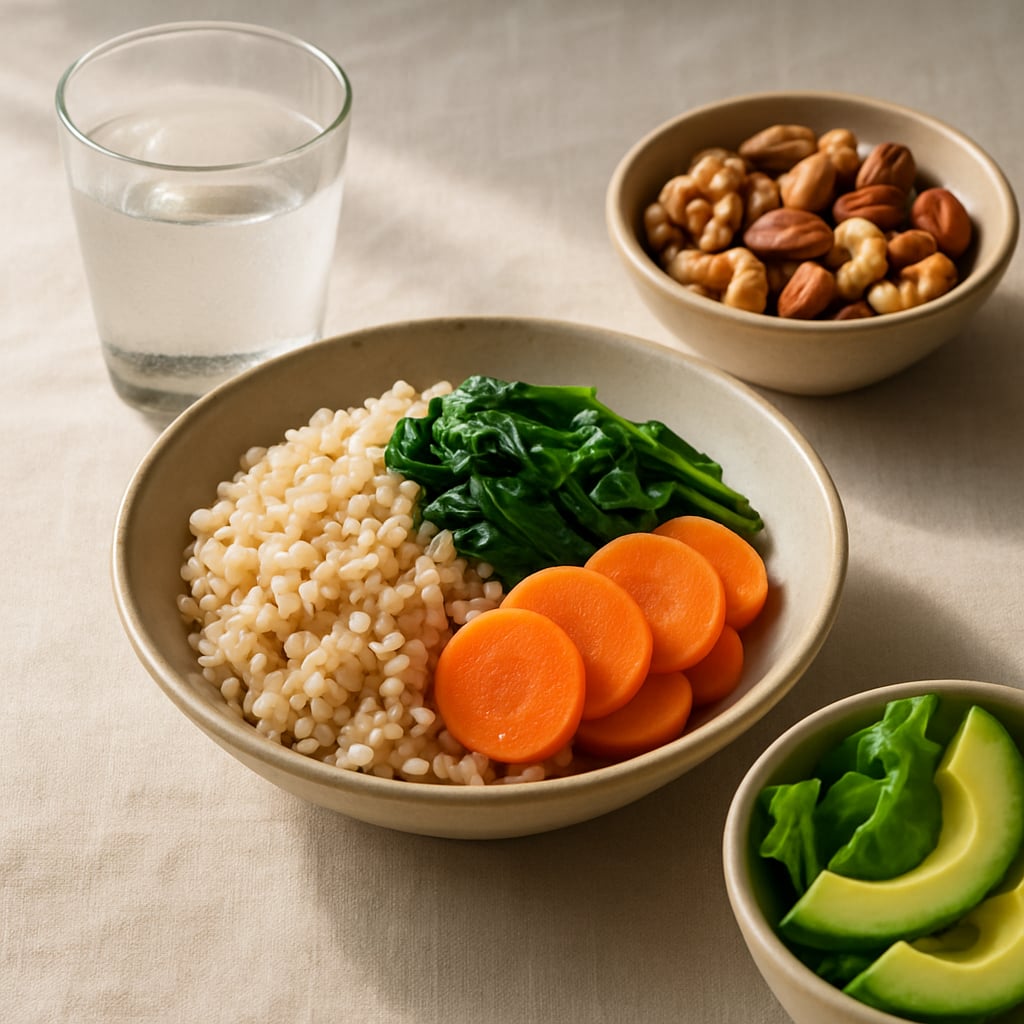
Explore related meal plans and resources at YM-LAB Wellness Food.
Have you opened your front door today feeling utterly drained after a fierce battle with your boss and dealing with a mountain of tasks? As soon as you take off your shoes, the silence greets you, and although your stomach is growling, you have no energy to cook. Eventually, you find yourself reaching for a delivery app, ordering spicy foods like tteokbokki, chicken, or jokbal.
After indulging, what follows is the discomfort in your stomach and that deep regret of having yet another late-night snack. When this becomes a routine, both your body and mind easily succumb to fatigue.
But that’s okay. It’s not due to a lack of willpower on your part. Your brain is simply demanding a quick dopamine reward after a stressful day.
Starting today, let’s shift from those stimulating late-night snacks to a post-work meal habit that gently envelops you and helps restore your peace of mind. Perfection is not required. Just start with one small change tonight.
Why Do We Crave Stimulating Foods on Our Way Home?
Throughout the day, our brains expend a tremendous amount of energy making complex decisions and enduring stress. By the time it’s quitting time, the part of our brain responsible for self-control and judgment — the prefrontal cortex — is significantly impaired. At this moment, our brain craves high-calorie, high-fat, and strongly flavored foods for a quick energy boost.
The issue is, while eating these stimulating foods may lead to a momentary release of dopamine that feels good, it is merely an illusion. Such foods burden your digestive system and degrade your sleep quality, leading to greater fatigue and stress the next day. Thus, a vicious cycle of stress ensues.
Key Point: Being drawn to stimulating foods is a natural physiological response. Rather than berating yourself, it’s essential to gently steer towards warm and soft alternative meals that don’t burden your brain and stomach.
Focus on 'Warmth' with Simple Actions in Under 10 Minutes
To practice post-work stress-relieving meals, the first thought to discard is the pressure of preparing a grand and perfect healthy meal. If you attempt to cook something complicated after a long day, you’ll likely give up before starting.
The smallest first action is to set the standard of “preparing warm food that can be ready in under 10 minutes.”
1. Choose warm soups or steamed dishes over cold foods.
Warm foods activate the parasympathetic nervous system, helping to relax a tense body.
2. Use soft ingredients that are easy to chew and digest.
This prevents burdening your stomach, allowing your body to recover adequately during sleep.
3. Drink a glass of warm water before opening the delivery app.
This helps differentiate between true hunger and 'fake hunger' caused by thirst, giving you a moment to calm your mind.
Key Ingredients and Nutrients for Comfort
When planning your meals, it’s beneficial to select ingredients that help relax the body and stabilize the mind. Here are some key ingredients that can uplift your spirits during stressful times.
1. Eggs and Tofu Rich in Tryptophan
Tryptophan is an essential amino acid necessary for the production of serotonin, often called the 'happiness hormone.' Serotonin is converted into melatonin at night, which induces sleep. Therefore, incorporating foods rich in tryptophan into your post-work dinner can help you feel calm and enjoy better sleep.
2. Magnesium-Rich Bananas, Nuts, and Leafy Greens
Magnesium plays a vital role in relaxing muscles and calming nerves, earning it the nickname 'natural tranquilizer.' Leafy greens like spinach and broccoli, as well as a handful of almonds or bananas, are excellent choices for calming heightened emotions after work.
3. Complex Carbohydrates like Oats and Brown Rice
Refined white rice or bread can spike blood sugar levels and cause drastic mood swings, while complex carbohydrates like oats or brown rice gradually raise blood sugar, providing stable energy to the brain and soothing your mind.
Recipes for Post-Work Meals Ready in 10 Minutes
Here are two representative recipes that minimize hassle while ensuring nutrition and warmth.
```
[Quick Recipe Summary]
1. Comforting Soft Tofu Egg Soup: Soft tofu + egg + anchovy broth (Cooking time: 7 minutes)
2. Warm Mixed Vegetable Stew: Broccoli + pumpkin + tofu + soy sauce (Cooking time: 10 minutes)
```
Recipe 1: Comforting Soft Tofu Egg Soup
- Ingredients: 1 pack of soft tofu, 1 egg, a little green onion, 1 pack of anchovy-kelp broth, 0.5 tablespoons of sesame oil, 0.5 tablespoons of soy sauce.
- Cooking Steps:
1. In a pot, bring 300ml of water and the broth pack to a boil for 3 minutes to create the broth.
2. Remove the broth pack, then add the soft tofu in large spoonfuls.
3. Season lightly with soy sauce and pour in the beaten egg around the edges.
4. Once the egg is gently cooked, add chopped green onions, turn off the heat, and add a drop of sesame oil to finish.
- Meal Tip: Focus on the nutty aroma of sesame oil and the soft texture of the tofu instead of spicy seasonings; savor it slowly.
Recipe 2: Heartwarming Steamed Pumpkin and Tofu
- Ingredients: Half a block of stew tofu, some smoked chicken breast or diced pumpkin, a handful of broccoli, 1 tablespoon of soy sauce, 1 tablespoon of perilla oil.
- Cooking Steps:
1. Place the diced tofu, pumpkin, and broccoli in a heatproof container.
2. Sprinkle a spoonful of water over the ingredients, cover with a microwave-safe lid or plastic wrap with holes.
3. Microwave for 3-4 minutes.
4. Drizzle a light seasoning mix of soy sauce and perilla oil over the well-cooked ingredients before serving.
- Meal Tip: Steamed dishes preserve the natural sweetness and flavor of the ingredients, cleansing your palate from overly stimulating tastes.
Tips on Meal Prep and Storage to Reduce Post-Work Cooking Time
Even the simplest recipes can become stressful if you have to wash and prepare ingredients after work. By spending just 15 minutes on weekends or your free time, your weekday evenings can become much more relaxing.
- Pre-prep ingredients: Wash and completely dry green onions, mushrooms, and leafy greens right after purchasing, then store them in a sealed container with paper towels. They’ll stay fresh for over a week.
- Utilize frozen ingredients: Pre-cut frozen broccoli, fish cakes, and blueberries are excellent alternatives that drastically reduce cooking time.
- Consolidate broth and sauces: If mixing seasonings each time is challenging, keep basic seasonings like soy sauce, sesame oil, perilla oil, and tuna sauce in one place to minimize movement.
A One-Week Stress-Relief Meal Plan to Start Without Pressure
Don’t try to change your entire diet at once. Small actions accumulate to form solid habits. Refer to the one-week plan below and follow what you can.
- Monday-Tuesday (Exploration): Before opening the delivery app after work, drink a glass of warm water and listen to your body to see if you’re genuinely hungry.
- Wednesday-Thursday (Implementation): On one weekday, instead of delivery food, try making a warm soft tofu egg soup or scorched rice porridge in under 10 minutes for dinner.
- Friday (Transition): As the weekend approaches and cravings for stimulating foods arise, lower the spice level and add more vegetables or tofu to reduce stomach irritation.
- Saturday-Sunday (Maintenance): Turn off your smartphone or TV and experience 'Mindful Eating' by focusing entirely on the taste, aroma, and texture of your food at least once during a meal.
The Importance of a Wellness Lifestyle and Preventive Health Care
In modern society, health management is not merely about treating diseases when they arise. It’s more crucial than ever to adopt a preventive lifestyle that manages stress and adds positive energy to our bodies.
Recent studies have confirmed that consistent wellness habits lower stress levels in modern individuals and enhance overall quality of life. Additionally, diversified approaches to health improvement and changes in biological indicators show that small shifts in daily habits, such as diet, sleep, and hydration, can positively alter stress hormone levels and gut microbiome environments.
Post-work stress-relief meals are not just about filling your stomach; they are a sacred wellness ritual to recharge yourself after a long day. When you cultivate the habit of treating yourself to a small meal, your entire life can become stronger and healthier.
Caution and Individual Differences
While food can help alleviate stress, it’s essential to recognize that not all foods will yield the same results for everyone. Individual constitution and health status require proper adjustments.
- Consider Individual Differences: Those with particularly sensitive stomachs or low digestive enzyme production may experience discomfort even with healthy complex carbohydrates. Adjust your intake according to your digestion.
- Limitations of Medical Treatment: Dietary improvements are a complementary approach to maintaining everyday wellness. If chronic insomnia, depression, or severe digestive issues persist, do not rely solely on your diet and make sure to consult a healthcare professional.
- Beware of Sugars and Caffeine: Desserts or caffeinated beverages sought after meals to relieve stress can disrupt sleep quality, increasing stress the next day. It’s advisable to replace them with warm barley tea or herbal tea.
Frequently Asked Questions (FAQ)
Q: Is it okay to skip dinner altogether or only eat fruit?
A: While avoiding overeating late at night is advisable, completely skipping dinner or relying solely on fruit can lead to drops in blood sugar during the night, causing sleep disturbances or binge eating the next morning. Since the simple sugars in fruit can also burden your stomach at night, it’s recommended to have a small meal with protein and warm broth.
Q: If I crave spicy food when stressed, should I just suppress it?
A: Suppressing cravings can lead to increased stress and potentially result in larger binge eating later. Instead of strong spicy foods, consider replacing them with a warm soup that includes a couple of green chili peppers. Additionally, opt for steamed eggs or tofu to protect your stomach while satisfying your cravings.
Q: How long should I wait after dinner before going to bed?
A: Lying down immediately after eating can cause acid reflux and make deep sleep difficult due to ongoing digestive activity. Structure your post-work stress-relief meal around easily digestible soft foods and aim to wait at least 2-3 hours after eating before going to bed.
Start Your Warm Meal for Yourself Tonight
Your home should be the safest and most comfortable space in the world after a long day. Instead of anxiously waiting for a delivery rider and hastily consuming food, take 10 minutes to prepare a modest yet warm meal for yourself.
The post-work stress-relief meal methods shared today are not about achieving the perfect diet or an elaborate health management plan. They are the most realistic and gentle ways to nurture yourself. How about melting away your weary heart with a warm bowl of soft tofu egg soup tonight?
Wishing you a healthy and warm evening meal. If you found this post helpful, please share your thoughts with likes and comments! If you have your own post-work healing food, feel free to share in the comments.
Explore related meal plans and resources at YM-LAB Wellness Food.

Comments
Post a Comment