Preparing Your Diet for Seasonal Changes: A Guide to Staying Healthy
Explore related meal plans and resources at YM-LAB Wellness Food.
Preparing Your Diet for Seasonal Changes: A Guide to Staying Healthy
As the seasons transition, it's important to prepare a diet that includes vegetables, protein-rich foods, whole grains, and modest seasonings. If you're looking for practical first steps, start by adjusting the combinations of side dishes rather than relying on a single ingredient.
Hello! Today, I'm excited to introduce a seasonal transition diet that caters to our changing bodies alongside the shifting weather. As the seasons change, so do our bodily sensations and cravings. What does your dining table look like this season?
The Impact of Seasonal Changes on Our Bodies
The transition season is marked by significant temperature fluctuations between day and night, along with drier air. If we neglect our health during this time, we become more susceptible to illnesses. In particular, dry weather directly affects respiratory health and skin conditions. So, what kind of diet can best support our bodies?
Principles for a Seasonal Transition Diet
To care for our bodies during this transitional period, the principles for a healthy diet are balanced nutrient intake and immune system enhancement. By adhering to these principles, we can better adapt to seasonal changes. It's advisable to focus on consuming fresh vegetables, protein-rich foods, and ingredients containing good fats.
Recommended Meals: Building a Healthy Diet
Nutrient-Rich Breakfast
Breakfast is a crucial meal for charging up our energy for the day. Pairing oatmeal with fresh fruits and nuts like almonds provides a nutritious boost and keeps you feeling full longer. Oats are high in dietary fiber, which is beneficial for digestion.
Lunch: Protein and Fresh Vegetables
For lunch, I recommend a chicken breast salad. Enjoy boiled chicken breast with salad greens and olive oil dressing for a nutritious and flavorful meal. Additionally, the plant-based fats you consume are beneficial for skin health.
Dinner: Easy-to-Digest Meals
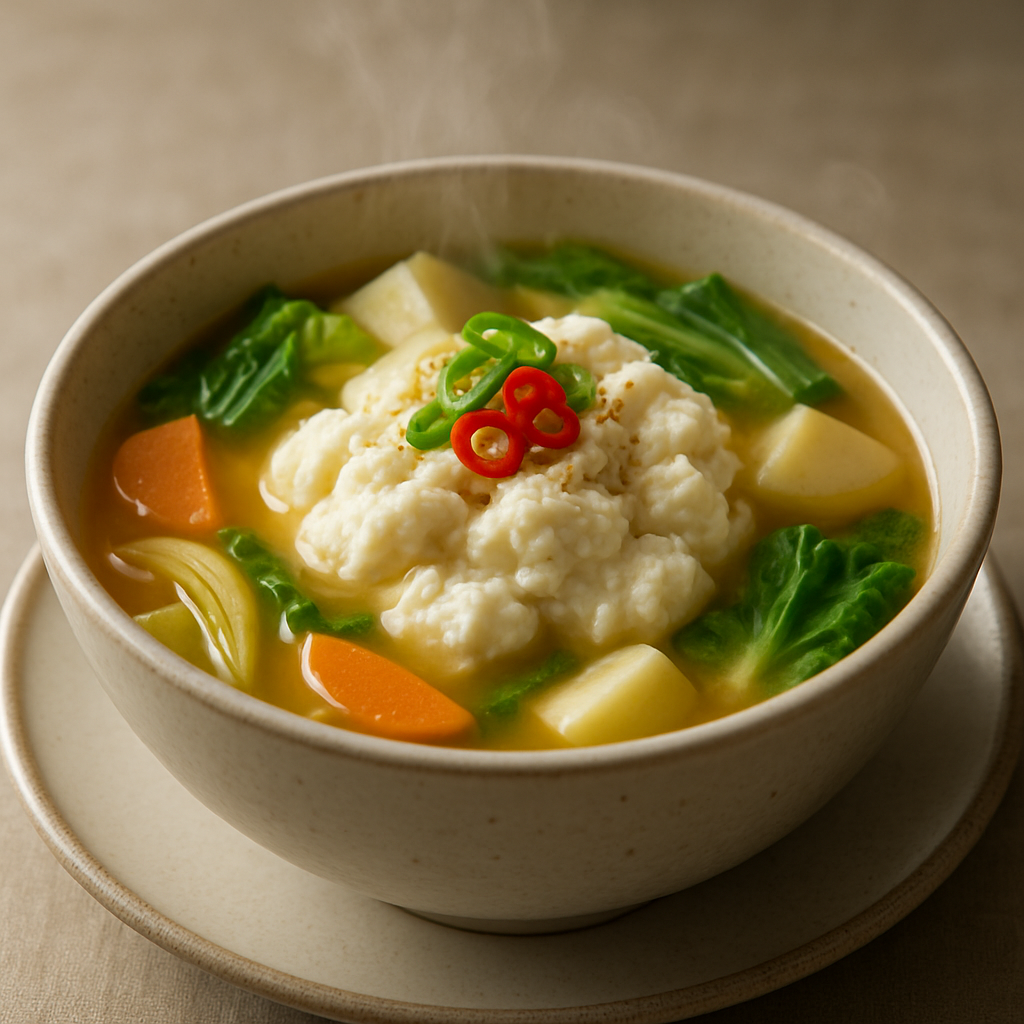
For dinner, enjoy a vegetable soup that is easy on the stomach. Adding tofu with a variety of vegetables not only provides protein but also delivers a smooth texture that feels gentle on the stomach. Be mindful to avoid overly spicy seasonings.
Evidence and Research: The Importance of a Healthy Diet
Recent studies have shown that maintaining regular wellness habits significantly enhances overall quality of life and effectively reduces stress levels among modern individuals. Many health improvement cases have been reported based on these dietary principles, aligning with the latest wellness trends that emphasize physical and mental balance.
Conclusion
As we enter the transitional season, it's essential that our diet reflects both nature and the needs of our bodies. Embrace this season with a diet that suits you!
FAQ
Q: What nutrients are particularly important during the transitional season?
A: Vitamins C and zinc help boost the immune system during this time. You can obtain these nutrients from fruits and nuts.
Q: How can I prepare oats to enjoy them more?
A: Oats can be cooked into oatmeal or mixed into yogurt. Adding fruits and honey enhances the flavor.
Q: What foods should I avoid in a transitional season diet?
A: It's best to steer clear of overly fatty foods and processed items. Spicy foods can strain respiratory and digestive health.
Importance of a Balanced Diet
A diet is more than just the components of a meal. Especially during transitional seasons, the balance of nutrients becomes crucial as our bodies adapt to rapid environmental changes. A balanced combination of vegetables, proteins, and carbohydrates is essential. For example, using a variety of colorful vegetables ensures that you get a wide range of vitamins and minerals.
Additionally, providing different ingredients for each of the three daily meals helps ensure that you consume all necessary nutrients without falling into the trap of picky eating. It's beneficial to consume complex carbohydrates in the morning, while ensuring sufficient protein intake for lunch and dinner to maintain energy levels.
Choosing Fresh Ingredients
Fresh ingredients not only enhance the taste of meals but also have a direct impact on health. Choose seasonal vegetables and fruits. For instance, in autumn, selecting seasonal produce like cabbage, radishes, and apples meets both taste and nutritional needs.
Furthermore, when selecting fresh fish or meat, it's important to check for color and smell to ensure freshness. If this is challenging, opting for certified brands is a good alternative.
Food Preparation and Cooking Methods
In the food preparation stage, washing and trimming are crucial. Clean fruits and vegetables to remove residual pesticides, and trim unnecessary fats and membranes from meats. These basic preparation processes contribute to long-term health.
In terms of cooking methods, it’s best to boil or steam foods to minimize nutrient loss. Frying or using excessive seasonings can diminish the quality of meals. Utilizing various cooking methods can also increase meal variety.
Adjusting for Family Members' Needs
Each household may have different meal compositions, requiring adjustments based on individual health conditions and preferences. For example, children may need a menu that incorporates dairy products for growth, while adults might require adjustments to reduce sodium intake.
It’s essential to create a customized dietary strategy that considers individual health conditions. Maintaining a common menu that everyone can enjoy while also making individual adjustments ensures a healthy diet for the whole family.
Storage and Safe Food Management
To maximize the benefits of a transitional season diet, proper storage and management are essential. Store vegetables and fruits in separate airtight containers or refrigerate them to maintain freshness. Especially during storage, make sure to dry them thoroughly after washing to keep them fresh for an extended period.
Additionally, it's crucial not to leave cooked food at room temperature for prolonged periods. Refrigerate it as soon as possible to prevent bacterial growth, and ensure food safety by heating it thoroughly before consumption. By adopting these safe management practices, you can better protect your family's health.
---
Explore related meal plans and resources at YM-LAB Wellness Food.

Comments
Post a Comment